
User Research in Games

Enhancing Game Design through Games User Research and Storyboarding

Game design is an art that blends creativity with a clear vision of the player’s experience. Yet, it can be challenging to evaluate if the final product aligns with the developer’s original intent. This is where Games User Research (GUR) steps in—a field focused on understanding how players interact with games to bring the final experience closer to what designers envisioned. GUR allows designers to observe player behavior, assess engagement, and adjust design elements to create a more immersive and enjoyable experience.

Understanding the Role of Games User Research

Games User Researchers (GURs) use various methods and tools to analyze player interactions, supporting developers in making informed design decisions. By observing user test (UT) sessions, GURs capture insights into player frustration points, engagement, and the ease with which players navigate game features. These insights are invaluable for aligning gameplay with design goals.

However, GUR’s effectiveness hinges on clear, convincing, and actionable reports. Reporting UT findings in ways that development teams can trust and utilize effectively is critical. This is where storytelling and storyboarding can transform complex data into accessible insights, making it easier for developers to identify problem areas and make targeted adjustments.

The Need for Improved GUR Reporting

To understand GUR’s impact on game development, we spoke with professionals from UK-based game studios who shared their experiences with UT reports. They emphasized four main areas of interest:

  1. Identifying player frustration and difficulty points.
  2. Assessing player engagement and enjoyment.
  3. Verifying if players are using game features as intended.
  4. Comparing player experiences to the designer’s original intent.

For example, in a racing game project, a developer used heatmaps to track crash locations across tracks. While helpful, the heatmaps alone couldn’t differentiate between crashes that led to frustration and those that created excitement. They noted that an ideal UT report should combine data visualization, like heatmaps, with player comments to provide a fuller picture.

What Makes an Effective UT Report?

Our interviews highlighted a few key characteristics of useful UT reports:

  • Concise Summaries: Developers value reports that summarize key findings at a glance.
  • Contextual Location Data: Knowing precisely where issues occur in each game level allows developers to prioritize fixes effectively.
  • Trust and Credibility: Developers are more likely to trust UT findings when they witness player behavior directly, through either in-person observation or gameplay videos.
  • Comparison to Intended Experience: Developers want reports that help them compare actual player experience with their design intentions, focusing on usability, player experience, and game pacing.

Storytelling: Transforming UT Data into Engaging Narratives

Storytelling is a powerful way to communicate player experiences and align development teams with user-centered design principles. In game design, storytelling helps developers visualize player journeys, understand design issues, and create a cohesive vision that bridges different perspectives within a team.

By using storyboards—a familiar tool for visualizing narrative elements in games—GUR teams can present UT findings in an intuitive, engaging format. Storyboards can serve various purposes, from illustrating gameplay issues to mapping user emotions, making them an ideal tool for GUR reporting.

Integrating Storyboards into GUR Reporting

Effective storytelling through storyboards can transform how UT findings are presented. Below, we discuss several advantages of storyboarding for GUR:

  1. Connecting User Research to Gameplay Events: Storyboards allow GURs to link different data types, such as qualitative user comments and quantitative gameplay metrics, into a unified narrative. For instance, they can combine a player’s actions with biometrics, like heart rate data, and gameplay events, providing insight into how gameplay moments impact player emotions.
  2. Comparing Player Experiences: Storyboarding enables researchers to create a visual record of different player journeys through the same game events. Comparing these journeys highlights gameplay trends, revealing patterns of behavior and preferences that inform design improvements.
  3. Whole Session Overviews: Visualizing a complete gameplay session gives developers a bird’s-eye view of player performance, emotional highs and lows, and areas needing refinement. Storyboards facilitate quick scanning of levels, events, and player emotions, enabling teams to identify potential problem areas faster.
  4. Verifying Design Intentions: Storyboarding helps verify whether the final design meets the intended player experience. Comparing storyboarded player feedback with the designer’s vision enables teams to judge if their designs are effective or need adjustment.
  5. Simplicity and Familiarity: Storyboards are easy to understand and interpret, offering a visual language familiar to most game developers. They reduce complexity by visually connecting data points, which encourages team buy-in and increases the likelihood of actionable insights.
  6. Supporting Collaboration: Storyboards facilitate cross-disciplinary collaboration, enabling GUR teams, developers, designers, and producers to interpret player data collectively. This shared understanding builds a foundation for collaborative decision-making, reinforcing user-centered design principles.

Introducing Biometric Storyboards

To take storytelling a step further, GURs have started using “Biometric Storyboards.” These storyboards combine player biometrics, such as heart rate and facial expressions, with gameplay events. By tracking how players feel during specific game moments, Biometric Storyboards provide an emotional layer to GUR findings, capturing fluctuations in player engagement.

Developing Biometric Storyboards

The process of creating Biometric Storyboards involved several iterations. Early versions attempted to divide gameplay by time, but this approach proved ineffective. Instead, researchers organized storyboards around “thematic beats” or gameplay events. This shift made the data more representative of the player’s journey, showing where gameplay was too challenging, too easy, or elicited strong emotional reactions.

From these storyboards, researchers learned to:

  • Divide levels by thematic beats to focus on player experience at each significant game event.
  • Use color-coded dots to indicate moments of high and low engagement.
  • Overlay behavior descriptions with player emotions, using gradient lines to show emotional dips and peaks.

By pairing game actions with emotional responses, Biometric Storyboards offer a unique view of player experience, helping teams visualize where design intentions align with or diverge from actual player feedback.

Using Storyboards to Center Player Experience

As video games grow more complex, finding tools to simplify player data interpretation becomes increasingly important. Storyboarding offers a balanced approach to GUR reporting, combining player feedback with gameplay metrics into a visual narrative that’s easy for developers to digest. This method can be a game-changer for GUR, allowing teams to recognize player frustrations, engagement, and overall satisfaction more intuitively.

Key Benefits of Storyboarding for GUR:

  • Enables Correlation of Complex Data: Storyboards provide a cohesive view that blends player actions, biometrics, and gameplay events.
  • Facilitates Comparisons Across Players: Comparing multiple storyboards can highlight gameplay trends and player preferences.
  • Provides a Visual Overview of Gameplay Sessions: Storyboarding lets developers scan entire sessions, helping them pinpoint design areas needing improvement.
  • Verifies Design Intentions: Designers can see if actual gameplay aligns with the player experience they intended.
  • Supports Collaboration: Storyboards encourage a collaborative review of player experiences, fostering a user-centered design approach.

Conclusion: Storyboarding as a Tool for Insightful Game Design

Storyboards are a powerful addition to Games User Research, bridging the gap between raw data and meaningful insights. By translating complex player data into visually accessible narratives, GUR teams can foster a shared understanding of the player experience across all departments. Storyboards not only highlight design flaws but also provide a structured way to brainstorm solutions, ensuring that game developers stay connected to player needs and design goals.

Biometric Storyboards add another layer of depth, allowing developers to track player emotions alongside gameplay events, enhancing their ability to craft engaging, user-centered games. In the future, we hope to see more GUR teams integrate storyboarding into their workflows, as it promises to enhance collaboration, streamline development, and bring games closer to the experiences their designers envisioned.

Design Decision-Making: A Balanced Approach for UX Success

n design, decision-making is often challenging, requiring a delicate balance between science and art, evidence, and intuition. It’s tempting to rely on personal preferences or assume that every client’s opinion represents the ultimate truth. But let’s face it: a design review should be more than an email stuffed with urgent change requests for Monday morning.

As a UX designer, I’ve encountered the age-old adage, “The client is always right.” But clients—while they pay the bills—are rarely the end users. Instead, success in design hinges on a clear alignment with the project’s goals, informed by a deep understanding of user needs. Here’s a look at how to bring clarity to the design decision-making process, turning chaotic feedback into actionable insight through a structured framework.


Starting with the Why: Setting Realistic Goals

Before jumping into wireframes or color schemes, it’s essential to define the why of a project. When starting a new project, ask, “What are we trying to solve?” Although articulating a clear design goal might take time, it’s well worth the effort. A strong problem definition aligns the team, guiding the project toward user-centered solutions.

Incorporating findings from the UX research phase can make this goal-setting more effective. Understanding what frustrates users, where they experience confusion, and what motivates them enables you to set realistic goals. Often, a well-prepared briefing document can also simplify the process, providing a reference point for everyone involved.


A Three-Perspective Framework for Design Decision-Making

To streamline the design review process, I suggest examining design through three main lenses: Information, Design, and Technology. These perspectives help organize feedback, ground decisions, and reduce subjectivity, allowing the team to make rational choices rooted in project goals.

1. Information: Ensuring Clarity and Relevance

Ask questions such as:

  • Is the information properly presented?
  • Have all necessary features been included?
  • Does the content flow make sense for users?

These questions address whether users have the elements they need to achieve their goals without unnecessary distractions. Ensuring relevance and clear content flow lays the foundation for an intuitive experience, increasing the chances of meeting user needs effectively.

2. Design: Enhancing the User Experience

Key questions to consider include:

  • Are the elements easily recognizable?
  • Can users navigate the design without confusion?
  • Is the flow predictable?

Examining the user experience through these questions helps to validate design elements. Consistent, intuitive design leads to a smoother user journey, empowering users to accomplish tasks with minimal friction.

3. Technology: Assessing Feasibility and Functionality

Technical feasibility is crucial. Here are some guiding questions:

  • Does the functionality align with user needs?
  • Can it be implemented with the given resources and timeframe?

While innovative designs are exciting, it’s essential to consider their technical feasibility. The technology perspective anchors design within real-world constraints, helping ensure that the final product can be delivered on time and within budget.


Structured Feedback: Moving Beyond Personal Preferences

Individual feedback based solely on preferences can lead to endless revisions. Instead, consider hosting a Decision-Making Workshop to gather and structure input from stakeholders. This format provides a collaborative space where different viewpoints—marketing, tech, design, and business—can merge to produce informed insights.

Here’s a simple approach to structuring these sessions:

  1. Organize Stakeholder Roles: Understanding each person’s expertise (such as design, customer service, or tech) gives context to their feedback.
  2. Use Dot Voting for Prioritization: Color-coded dots can help stakeholders visually indicate priorities across Information, Design, and Technology.
  3. Collaborate on Tools: Whether using digital boards like Miro or traditional pen-and-paper, these tools encourage everyone to contribute constructively.

Collaborative workshops not only reduce bias but also improve work quality by examining challenges from multiple angles. When stakeholders can see the larger picture, feedback becomes constructive rather than purely subjective.


Embracing Debate to Foster Better Design Decisions

Design decision-making isn’t about consensus—it’s about fostering critical thinking and uncovering solutions grounded in user needs and project goals. Good arguments add complexity where simplicity once existed, encouraging more thoughtful approaches. As psychologist Adam Grant says, the purpose of debate is not consensus but to challenge assumptions and think more deeply.

With a balanced approach to decision-making, we can foster collaboration and clarity. The client may have a valid opinion, but it’s essential to frame feedback constructively and in alignment with project goals. This way, the final design is not only well-crafted but truly meets the needs of its end users.

How-To Guide: Working inside of Design Sprints

What Is a Design Sprint? A Step-by-Step Guide to Rapid Problem Solving

Imagine solving big challenges and validating your product ideas—all within just five days. That’s the power of a Design Sprint, a focused, week-long process designed to help teams prototype and test ideas quickly. Originally created by Jake Knapp at Google Ventures, the Design Sprint offers a structured method that draws from the best practices in business strategy, innovation, and behavioral science.

If your team is struggling with how to approach a big project or how to transform customer insights into tangible outcomes, a Design Sprint may be the tool you need. Here’s how the process works, what you’ll need to run it effectively, and what each day looks like in detail.


What Does a Design Sprint Achieve?

A Design Sprint compresses decision-making, design, prototyping, and user testing into just five days. In this short timeframe, teams are able to:

  1. Understand – Break down and map out the problem to focus on an impactful area.
  2. Ideate – Brainstorm and sketch multiple solutions.
  3. Decide – Choose the best solution and create a testable hypothesis.
  4. Prototype – Rapidly build a realistic, usable prototype.
  5. Test – Get user feedback, learn, and iterate.

By the end of the week, you have an actionable, user-tested prototype that can be used to guide your next steps.


What You’ll Need to Run a Design Sprint

To ensure your Design Sprint runs smoothly, you’ll need a team with specific roles, plenty of resources, and a dedicated space.

Key Roles for a Design Sprint:

  • Decider: Typically a senior executive who makes final calls on big decisions.
  • Facilitator: The “timekeeper” who manages the process and keeps the team focused.
  • Marketing Expert: Brings insights into customer messaging and positioning.
  • Customer Service Representative: Knows customers’ needs and pain points inside out.
  • Design Expert: Understands how to turn ideas into visual concepts.
  • Tech Expert: Assesses technical feasibility and timelines.

Essential Supplies:

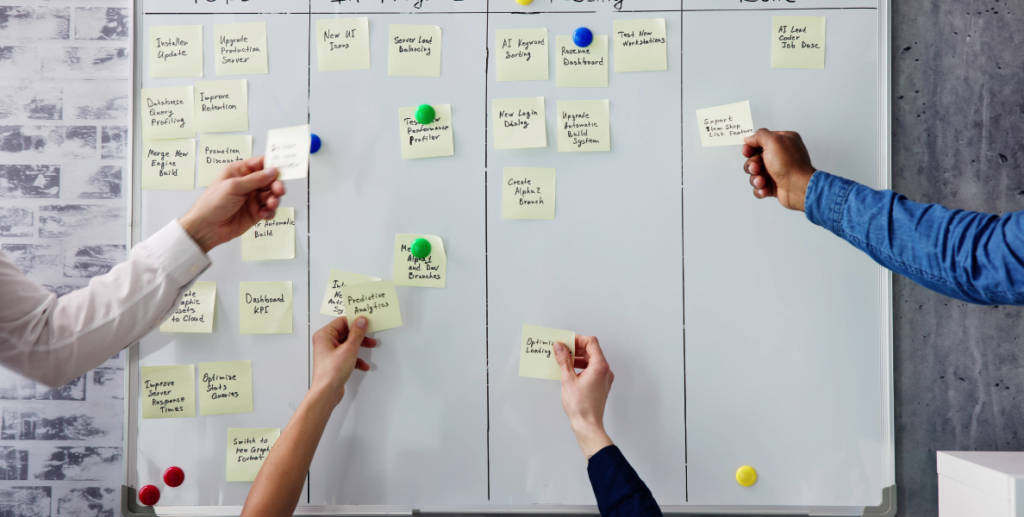
  • Post-it notes and whiteboards for mapping ideas.
  • Markers for sketching and brainstorming.
  • Prototyping tools like InVision or Figma for building a clickable mockup.

Once you have your team and materials ready, you’re set to embark on the sprint journey. Here’s what each day looks like in detail:


The Five Days of a Design Sprint

Monday: Understand the Problem

The first day is all about clarity. Start by defining the sprint’s long-term goal, such as “increasing user engagement by 30%” or “enhancing customer satisfaction through seamless onboarding.” Turn assumptions and challenges into actionable sprint questions. For example, “How might we reduce friction in the onboarding process?”

Use tools like empathy mapping and journey mapping to capture customer experiences and identify pain points. A “swim lane diagram” can help visualize specific issues along the user journey, pinpointing where improvements are needed.

Tuesday: Ideate Potential Solutions

Tuesday is all about creativity and exploring solutions. The day begins with Lightning Demos, where each team member shares examples of existing products that could inspire the solution. Then comes the Four-Step Sketch process:

  1. Notes: Jot down key insights.
  2. Ideas: Sketch out rough concepts.
  3. Crazy 8s: Refine one idea with eight different versions in eight minutes.
  4. Solution Sketch: Create a more detailed, end-to-end drawing.

The sketches serve as preliminary solutions that the team will later evaluate and narrow down.

Wednesday: Make a Decision

Now it’s time to decide on a solution. The team will engage in a five-step process to reach consensus:

  1. Art Museum: Display all sketches to allow everyone to view and discuss.
  2. Heat Map: Use dot stickers to highlight the most promising parts of each sketch.
  3. Speed Critique: Each person critiques a sketch that isn’t their own, offering quick feedback.
  4. Dot Voting: Each member votes for their top choice, giving insight into team preferences.
  5. Supervote: The decider makes the final call.

With a solution selected, the team will then create a storyboard of the prototype, mapping out five to seven frames that represent key user interactions.

Thursday: Create the Prototype

With the storyboard as a guide, Thursday is all about building. The goal here is a “Goldilocks” prototype: realistic enough to feel usable, but quick to produce. Divide roles among the team:

  • Makers: Create individual components of the prototype.
  • Stitcher: Puts everything together.
  • Writer: Drafts user-friendly copy.
  • Asset Collector: Gathers relevant images, icons, or videos.
  • Interviewer: Prepares the interview questions for user testing on Friday.

Friday: Test Your Prototype with Users

The final day is the most insightful. Testing with just five users can reveal 85% of usability issues, per the Nielsen model. These interviews should mimic real-world use, allowing users to navigate the prototype while the team observes. After each test, capture insights on a feedback grid, looking for patterns or recurring problems to prioritize for future improvements.


Why Design Sprints Are Effective

Design Sprints deliver significant benefits to teams, including:

  • User-Centered Solutions: The entire process is focused on understanding user needs and validating ideas.
  • Cross-Functional Collaboration: Bringing diverse perspectives into the same room encourages creativity and reduces silos.
  • Speed and Efficiency: In just five days, the sprint process replaces lengthy decision-making cycles with quick, decisive action.
  • Early Buy-In: Stakeholders participate early, building trust and reducing the chance of later conflicts.
  • Rapid Learning: By testing with real users at the end of the week, teams can quickly iterate and focus on what matters.

Final Thoughts

Whether you’re tackling product strategy, UX design, or a new business idea, a Design Sprint is a powerful tool to bring structure to complex challenges. For anyone considering using a Design Sprint, I recommend diving into the methodology, experimenting with it in a real-world project, and iterating on your approach over time.

Ready to bring the Design Sprint to your team? By following these steps, you’ll be able to drive meaningful, user-centered solutions and move projects from idea to execution in record time.

10 Tips to Help YOUR Team Thrive!

Helping Designers Thrive: A Guide for Design Managers and Executives

In the design world, it’s clear: managers and executives are uniquely positioned to empower their teams, driving both personal and professional growth. Yet, the approach varies, with some leaders falling short or offering limited guidance. Exceptional design managers, however, consistently prioritize developing their designers, providing opportunities to showcase their talents, and fostering growth that leads to fulfilled careers and positive business results.

Take Jack Welch, former CEO of General Electric, who credited his success to impacting his employees’ careers positively. His approach of putting people first—what he termed “the generosity gene”—was a guiding principle in his leadership style, reminding managers that their primary role is to create a foundation for others to succeed. Applying such principles in design management can profoundly impact both individual careers and team performance.

Having co-founded and scaled several startups, I’ve experienced firsthand the value of investing in design talent. Watching designers grow into their potential, even advancing from entry-level roles to senior positions, underscores the benefits of intentional leadership. By adopting a few key strategies, design managers can create a supportive, growth-oriented environment.

Here are 10 practical tips to help managers uplift their designers and set them—and the business—on a path to success:


1. Encourage Growth by Working “A Level Above”

Aim to stretch each designer by assigning tasks that challenge them to think and operate one or two levels above their current role. Encouraging them to tackle higher-level responsibilities provides critical experience, making a compelling case for future promotions.


2. Align Project Assignments with Growth Opportunities

Staff designers on projects that push their boundaries, offering a mix of challenge and support. Selecting projects that require new skills or a fresh perspective can invigorate a designer’s journey, making room for personal and professional growth.


3. Focus on Craft and Product Thinking

Continuous improvement is vital in the fast-paced world of design. Design reviews, critiques, and informal discussions help team members sharpen their craft. Pairing senior and junior designers for mentorship creates space for organic learning, fostering stronger product thinking within the team.


4. Emphasize High-Impact Work

Encourage designers to think beyond their creative briefs, emphasizing the broader impact of their work. Whether it’s driving revenue, enhancing user engagement, or aligning with larger company goals, empowering designers to consider the wider implications can motivate them to deliver more significant results.


5. Make the Most of 1:1 Meetings

One-on-one meetings are a valuable opportunity to give feedback and gain insights into your team members’ perspectives. By regularly asking for 360-degree feedback on your own management style, you create an open, collaborative culture. Ensure each session has actionable takeaways so both sides feel engaged and aligned.


6. Develop Tailored Growth Plans

Each designer has unique aspirations and goals. Craft a personalized growth plan for every team member, bridging their individual goals with career opportunities within the company. This roadmap aligns their ambitions with realistic steps forward, offering a clearer path to advancement.


7. Promote Co-Learning

Learning should be a shared experience within the team. Encourage designers of all levels to share expertise, fostering a culture of co-learning. When each team member has the opportunity to teach and learn, it builds mutual respect, knowledge sharing, and a collaborative spirit that strengthens the entire team.


8. Create a Supportive, Inclusive Environment

Psychological safety and a healthy atmosphere are crucial to allowing designers to flourish. Encourage mentorship, prioritize open communication, and model a culture where designers feel supported and valued. When designers know they can lean on one another, creativity and collaboration naturally thrive.


9. Offer Coaching During Challenges

When designers encounter obstacles, take an active role in coaching them. Help them navigate challenges rather than solving problems for them. This builds resilience, independence, and confidence, teaching them how to manage difficult situations constructively.


10. Be an Advocate for Your Team

Publicly recognize the contributions of your team members. Praise their work not only within the team but to key stakeholders and leadership. This visibility fosters team morale and ensures that designers feel valued beyond their immediate circle, securing their position within the organization.


Final Thoughts

Helping each designer grow in a way that resonates with their goals is the key to retaining top talent. When design managers champion their team members’ success, they don’t just build a great team—they create an environment where innovation, collaboration, and excellence are the norm. By fostering this growth-oriented culture, managers and executives can turn their design teams into indispensable assets to their organizations.

Empowering designers to reach their fullest potential is a process, but the rewards are worth it. As leaders, embracing a “people-first” mentality makes all the difference, transforming individual designers’ careers and, ultimately, the trajectory of the entire business.

Navigating the Product Design Life: How to Balance Quality, Speed, and Communication

As product designers, we constantly face a challenging reality: balancing quality with speed. The more complex a user experience becomes, the more work is required to simplify it. Business demands and user needs often conflict, but one area they align on is time. In today’s tech landscape, global competition and limited resources push companies to deliver quickly, putting pressure on product designers to churn out work at a relentless pace.

If you’ve been in this field long enough, you’ve probably experienced the frustration of releasing a product you’re not entirely proud of. You might even feel like you’re not good enough or are failing in your role. But here’s the truth: you’re likely not a bad designer. However, you might need to improve how you communicate with your collaborators.

In this article, I’ll unpack how to communicate your needs as a product designer, advocate for better processes, and ultimately, create better products. Let’s explore how communication is key to evolving from a good designer to a great design leader.

The Design Dilemma

Before diving into solutions, let’s acknowledge the relationship between quality and speed in design. Over my 10+ years of working in digital design, I’ve developed a concept I call the Design Dilemma:

The Design Dilemma: A single designer can’t deliver a polished, usable experience quickly without risking burnout.

This dilemma mirrors the classic tradeoff between good, fast, and cheap work. Often, people see a polished, high-fidelity interface and assume it’s ready to ship. But visual design is only one layer of the user experience. Usability, accessibility, and thoughtful interaction design require time, testing, and iteration.

Delivering a high-quality user experience under tight deadlines isn’t realistic. Great design is about hypothesis testing, gathering user feedback, and refining solutions—steps that take time. However, product development processes often encourage speed over quality, leading designers to make guesses instead of being deliberate.

Defining Clear Boundaries

As a designer, you are responsible for advocating for users, which often means advocating for yourself, too. If you feel pressured to deliver excellent work quickly, it’s time to set clear boundaries. It’s not sustainable to teeter on the edge of burnout, and staying silent about an overwhelming workload only leads to subpar results.

If you’re vocal about your workload but still experience pressure to overdeliver, you might be facing a cultural issue within your workplace. A supportive company culture prioritizes humane work conditions and recognizes the value of thoughtful, well-paced design.

Setting Better Expectations

Clear communication is crucial to setting realistic expectations. By breaking down your availability and estimating work effectively, you can help your collaborators understand your capacity and prioritize projects more effectively. Here are a few steps I recommend, loosely inspired by engineering practices:

1. Assess Your Availability

Designers, like everyone else, have a limited amount of focus time. If you only look at your work day by day, you might miss the bigger picture. It’s important to zoom out and assess your availability over longer periods, such as a quarter. For example, in a 13-week quarter, if you work 40 hours per week and spend 10 hours in meetings, that leaves 75% of your time for focused design work. That’s about 9.75 weeks available for projects.

By analyzing your availability over a quarter, you gain a clearer understanding of how much work you can realistically take on.

2. Estimate Your Work

Once you know your availability, it’s time to estimate the complexity and risk of upcoming projects. Since design work can be ambiguous, use two factors to size your tasks:

  • Risk: How much impact would an unsuccessful solution have on the product or company?
  • Complexity: How much effort and research will it take to deliver a successful solution?

I assign points to these factors (1 to 3), creating a rough estimate of project size. For example, a project with low risk but high complexity might be a “Medium” task. This simple framework helps me understand the scope of each project and how much time it will take.

3. Clarify Your Capacity

With estimates in hand, you can now compare them to your availability. I translate each project’s size into time estimates based on my focus time:

  • Extra Small (XS): 0–0.2 weeks
  • Small (S): 0.4–1 week
  • Medium (M): 1.2–1.6 weeks
  • Large (L): 1.8–2.2 weeks
  • Extra Large (XL): 2.4+ weeks

This process lets me gauge if my workload is manageable or if I need to re-prioritize. For example, after applying this framework, my product manager and I realized we had over 20 weeks of work planned for a single quarter—a clear signal to adjust our priorities.

4. Destigmatize Disappointment

Here’s the hard truth: estimates are almost always wrong. And that’s okay! Designers often worry about disappointing their team by giving larger time estimates, but it’s better to communicate realistic timelines upfront than to overpromise and underdeliver.

If you need to deliver quickly, negotiate with your team. You might focus on lower-risk tasks first while giving more attention to higher-risk areas later. Explain where you’ll streamline efforts and what can be iterated on post-launch. By being transparent about what’s possible, you build trust and set the stage for a better product.

Communicating the Value of Design

The tools and processes we’ve discussed aren’t just about time management—they’re about advocating for the value of design. It’s easy to feel overwhelmed by deadlines, but great design leaders communicate the importance of thoughtful work. Talk with your team about the Design Dilemma and explain how rushing design can hurt the product in the long run.

While design is inherently a fast-moving, iterative field, by taking these steps, you can gain more control over your workload, set better expectations, and ultimately deliver work that you and your team can be proud of.

Conclusion: Championing Quality in Product Design

Product design is messy, but it doesn’t have to feel overwhelming. By setting boundaries, assessing your availability, estimating your work, and communicating clearly with your team, you can tackle the Design Dilemma head-on. Remember, great design takes time—and your role as a designer is to advocate for the time and space necessary to create meaningful, user-centered products.

So, the next time you feel pressure to deliver faster, pause and communicate your needs. Take control of your process, and give yourself—and your team—the opportunity to create something truly great.

How Game Design Can Inspire Better UX: Lessons from a UX Designer Who Makes Games

As digital creators, we constantly seek new ways to design interactive experiences. Many believe that video games are the pinnacle of interactivity because they allow players to make meaningful choices, which evoke a range of emotions. As a UX designer who also creates games, I see how lessons from games can enhance user interfaces (UIs) and experiences (UX) in ways we may not always consider.

While the tools for video game development weren’t as accessible in the early 2000s, this didn’t stop me from brainstorming game ideas and keeping them in notebooks throughout my school years. Over time, I shifted my focus to web design and UX, applying interaction design principles that I learned from games. And as game development tools became more accessible, my dual journey in UX and game design came full circle.

Let’s explore how game design elements and UX overlap, and how designers can draw inspiration from games to make digital products even more engaging.

Game Design Elements and UX

Like UX design, game design revolves around how users interact with an interface. But games go beyond functional interactions—they immerse players in experiences, allowing them to explore, make choices, and experience emotions. While UX focuses on usability, games prioritize meaningful experiences and how users feel as they engage with the game world.

To understand the similarities between UX and game design, it’s helpful to break down the core elements of game design:

  • Characters: The objects players interact with or control. Whether the protagonist or NPCs (non-player characters), these characters shape the user’s experience in a game.
  • Rules: Games operate within constraints, and the rules establish what players can and can’t do. Similarly, digital products have rules that govern user behavior, whether it’s a workflow in an app or the structure of a website.
  • Goals: These give players purpose. In a game, it might be defeating a boss or completing a quest. In a UX context, goals are user objectives—what are they trying to achieve with your product?
  • Mechanics: These are the interactions within the system, determining how characters or elements function. For example, how pieces move in chess are mechanics. UX design also relies on mechanics—how users navigate, click, or swipe through an interface.
  • Narrative: The story and setting provide context for players, influencing how they feel during the game. Similarly, a brand’s story or the way a product is framed in UX can enhance the user’s emotional connection.

What UX Designers Can Learn from Games

While game design elements like characters and narratives help build immersive worlds, UX designers can apply similar principles to make digital products more engaging. And while gamification (e.g., scoring systems, points, and achievements) is often referenced in UX, there’s so much more we can learn from game design beyond adding points to an interface. Here are a few key lessons UX designers can take from games.

Lesson 1: Document Everything

In game design, documentation is essential for outlining how the game functions, defining characters, mechanics, and goals. Similarly, UX designers should create detailed documentation that covers personas, user goals, design decisions, and project requirements. This helps teams stay aligned and ensures consistency across a project.

Good documentation also provides a historical record of decisions. Just as games include changelogs to update players on new features or fixes, UX designers should share updates with their teams. Documenting design changes and sharing key statistics or research insights keeps everyone on the same page, leading to smoother collaboration.

Lesson 2: Simple Isn’t Always Best

While UX often emphasizes simplicity, complexity in games can be a challenge for players to overcome. Well-designed games introduce complex mechanics but balance them to offer a rewarding experience. Similarly, not every digital product needs to be stripped down. In some cases, complex features—like those in advanced design tools—provide a sense of accomplishment when mastered.

Think about tools like Sketch. As a designer, discovering new features or shortcuts feels rewarding, adding depth to the experience. For UX designers, it’s essential to recognize when complexity enhances value and user satisfaction.

Lesson 3: Connect Through Emotion and Personality

Good games evoke strong emotions, from the suspense of Amnesia to the playful joy of Rayman Legends. UX designers can also design with emotion in mind. By conducting journey mapping, designers can chart out how users feel at each touchpoint, enabling them to improve emotional moments or resolve friction points.

Additionally, personality matters. People connect with products that have personality—whether that’s through humor, unique copy, or playful interactions. In games, easter eggs are hidden secrets that create an additional layer of engagement for players. While not every product needs hidden surprises, adding moments of delight can foster a deeper connection with users.

Lesson 4: Provide Feedback

In games, feedback is critical for immersion. Known as “game feel” or “juice,” feedback can come in the form of screen shakes, changes in color, or sound effects. This responsive interaction tells players their actions are meaningful and acknowledged. Similarly, in UX, feedback—whether through animations, sound, or visual cues—makes interactions more intuitive and satisfying. Facebook Messenger’s growing emoji when held is a perfect example of playful feedback that enhances user experience.

Lesson 5: Be Intentional

Game elements are only effective when they’re used with purpose. If game mechanics are added as gimmicks, users will notice, and the experience will feel hollow. The same goes for UX design. When introducing game-like elements to a digital product, they must serve a clear function.

For example, Habitica transforms tasks into RPG-style quests, where users can level up their character by completing to-do lists. This use of game dynamics is intentional and enhances the user’s experience, rather than feeling forced. On the other hand, slapping on a score or leaderboard without purpose (as Snapchat did with its Snapstreaks) can feel disjointed and unnecessary.

Dive Deeper: Learn from Game Development

Game design offers UX designers a wealth of insights on how to create engaging, interactive experiences. As game development tools have become more accessible, designers can experiment with game creation themselves. Tools like Construct, GameMaker Studio, and Unity allow you to build games without coding, making game design more approachable than ever.

In both UX and game design, it’s about crafting experiences that matter. Whether you’re designing a mobile app or a platformer, the lessons from games—documentation, complexity, emotional connection, feedback, and intentionality—can help you create better, more meaningful user experiences.

By applying these lessons to your design process, you’ll craft more engaging interfaces that resonate with users and leave a lasting impact. Games are powerful examples of how interaction design can immerse, delight, and challenge users—let’s bring some of that magic into the world of UX.

A UX Designer’s Guide to Starting a Career: Lessons and Advice

Recently, I had a conversation with a young person exploring career paths. We started talking about game design but quickly shifted to user experience (UX), and the questions they asked reminded me of how important it is to share advice for anyone interested in pursuing UX design. If you’re wondering what it’s like to be a UX designer, how to break into the field, or how to grow in your role, this blog is for you.

Below, I’ve compiled answers to the most common questions I’ve received about UX, based on my own experience, and will continue to update this article with more insights.


1. What is your typical day like as a UX designer?

No two days are the same in UX design. Since UX designers are responsible for the entire experience of a product, we need to ensure it’s cohesive, intuitive, and usable at every touchpoint. Some days I focus on user research—understanding user behaviors and pain points. Other days, I might facilitate a sketching exercise to gather ideas from the team and turn those concepts into a design solution.

There’s also prototyping and visual design, depending on the project’s stage. Meetings are scattered throughout my week, ensuring everyone on the team has a shared understanding of the product. A “normal day” is flexible, shaped by your skills, interests, and the needs of the project.


2. Do you stay late at the office?

No. Creativity tends to diminish after an eight-hour workday. I find that after a full workday, it’s time to recharge—whether that’s playing games, working on personal projects, or just relaxing. Maintaining a balance is important in this field to stay inspired and fresh.


3. Do you feel your skills grow over time in this role?

Absolutely. UX design forces you to become analytical and detail-oriented. Over the years, I’ve honed my ability to create usable designs, defend design decisions, and find compromises that work within realistic timelines. I’ve also become a better communicator, learning how to read body language and vocal cues to better understand people. UX design doesn’t just make you a better designer—it makes you more empathetic, meticulous, and confident, which translates into other areas of life.


4. Can someone break into UX without a degree?

Yes. Plenty of UX designers are self-taught, using online resources, books, and practice to build their skills. While a design degree can be helpful, it’s not a requirement. What matters most is your ability to understand user needs and apply design principles effectively. If you’re committed to self-learning, start with some foundational UX courses online and practice by working on personal projects or contributing to open-source initiatives.


5. Can someone without formal training do well in the long run?

Yes, if they genuinely care about improving people’s experiences when interacting with products. UX designers are most successful when they’re driven by empathy for users, rather than just focusing on financial gain. If your motivation comes from making lives easier, you’ll do well.


6. What qualities do you need to succeed in UX design?

In addition to having a strong portfolio, the key qualities that make a great UX designer are:

  • Compassion: A love for people and their needs.
  • Curiosity: A desire to learn and explore new solutions.
  • Ethical principles: Understanding the impact of your design decisions.
  • Open-mindedness: Willingness to take in feedback and compromise when necessary.

7. Are you happy with your compensation?

Yes. UX designers tend to earn above-average salaries, and I’ve generally been happy with my compensation. While pay varies by location, experience, and company size, UX is a lucrative field with opportunities for growth.


8. Do you see steady growth in this role?

Absolutely. UX design offers multiple paths for career growth. You could move into management, become a lead designer, or continue in an individual contributor role. The opportunities are varied, whether you want to work in-house, at an agency, or as a consultant.


9. What are the best resources for learning UX design?

Here are some excellent books and resources to get you started:

  • Don’t Make Me Think by Steve Krug
  • Lean UX by Jeff Gothelf
  • Seductive Interaction Design by Stephen Anderson
  • The UX Team of One by Leah Buley
  • Microinteractions by Dan Saffer
  • Designing for the Social Web by Joshua Porter

If you prefer e-learning, check out platforms like Skillshare or Udemy, where I also teach a class on digital product design.


10. What mistakes do design students commonly make?

One common mistake is forgetting who they’re designing for. UX design isn’t about making things look nice—it’s about removing friction from users’ lives. Another mistake is ignoring constructive criticism. Feedback can be tough, but it’s crucial for improving both your designs and your empathy toward others.


11. How do you showcase your UX skills?

A great UX designer listens, conducts thorough research, and documents their design decisions. Your portfolio should tell the full story behind each project, from user research to final designs, rather than simply showcasing pretty pictures.


12. What do you look for in a UX portfolio?

When reviewing portfolios, I’m looking for signs of design thinking and collaboration. Some key elements include:

  • Clear explanations of your role on each project.
  • An understanding of your target users and how you addressed their needs.
  • How your design decisions met business goals and improved users’ lives.
  • Curiosity, creativity, and a willingness to fail and learn.

13. How would you teach UX design in 8 weeks?

I’d have you observe people using products, practice prototyping, and use sticky notes and sketches to map out user flows. UX is about seeing the world through a user’s eyes, and practicing these techniques is the fastest way to learn.


14. What can you expect to earn as an entry-level UX designer?

Salaries vary depending on your location and experience. Use tools like Glassdoor to research salaries in your area, and always negotiate for fair compensation. Larger companies tend to offer higher salaries, while startups may offer lower pay with equity options.


15. How do you network as a UX designer?

Networking is about building meaningful relationships. Start by attending design meetups on platforms like Meetup.com or Eventbrite, and volunteer at design conferences. Focus on deep conversations, ask for contact details, and follow up. Networking is more about forming connections than handing out business cards.


Final Thoughts: Starting Your UX Journey

UX design is an exciting and fulfilling career path, driven by empathy, curiosity, and a passion for solving problems. If you’re interested in helping people interact with products in more meaningful ways, UX might be for you. Whether you’re considering a formal education or going the self-taught route, remember that the most important quality in a UX designer is a genuine love for people and a desire to improve their experiences.

Good luck on your journey!

The Importance of Culture: Building a Positive Work Environment that Thrives

Culture is more than just an abstract concept; it’s the foundation that holds teams and companies together. It’s the difference between a thriving, happy workplace and one that feels toxic and draining. In a world where flashy perks like ping pong tables, beer fridges, and sleek offices are often confused for culture, it’s time to look deeper and understand what truly makes a workplace tick.

Culture isn’t about the things you can touch or see—it’s about the feelings, relationships, and values that shape the day-to-day experiences of employees. It’s about creating an environment where people feel valued, respected, and motivated to contribute their best work. So, what does real company culture look like? And how can we create it in a way that benefits everyone?

What Makes a Positive Culture?

True company culture is rooted in connection and support. It’s seen in teams that share lunch together, laugh in the breakroom, and openly communicate ideas. It’s in how coworkers celebrate wins and support one another through challenges. On the flip side, culture can also be negative—it shows up when people gossip behind each other’s backs, when ideas are stifled, or when workers seek out distractions because they’re unhappy at their jobs.

The culture of a company has far-reaching effects, not just on productivity but on the mental and physical well-being of employees. A positive culture fosters collaboration, reduces stress, and enhances the overall satisfaction of team members. Negative culture, however, creates friction, lowers morale, and leads to burnout and high turnover rates.

Why Positive Culture Matters for Employees and the Bottom Line

Why should businesses care about fostering a positive culture? According to Psychology Today, happy employees are more efficient, have fewer medical issues, and take fewer sick days than those who are unhappy or stressed. A Fast Company blog post by Shelley Prevost, PhD, explains that the best workplaces are the ones that “seriously honor the humanity of their people.” In other words, employees aren’t just cogs in a machine—they’re human beings who need connection, purpose, and support to do their best work.

Creating a healthy work culture is also key to reducing turnover. High turnover rates are costly and disruptive to a company’s operations. Happy employees are more likely to stay, grow, and contribute to the company’s long-term success.

Reflect on Your Company’s Culture

If you’re wondering how your company measures up, it’s time to take a closer look. Culture isn’t something you can buy or install—it’s something you nurture. Here are a few questions to help you assess your current workplace culture:

  1. Does your company have a high turnover rate?
  2. Do you respect your coworkers? Why or why not?
  3. How do you feel about your team’s level of camaraderie?
  4. How often does your team spend time together, outside of work or not related to a business trip?
  5. Is there an open line of communication, where team members feel comfortable sharing ideas?

Once you’ve answered these questions, imagine what your ideal culture looks like. Write down the real answers and compare them to your ideal responses. If there’s a gap between the two, it’s time to take action. Spend more time fostering positive connections within your team. Whether it’s casual team lunches, team-building activities, or simply taking a moment to show appreciation, small efforts can have a big impact.

It’s Not Too Late to Build the Culture You Want

Creating a positive work culture is always possible, no matter where your company stands today. By investing in meaningful relationships and promoting transparency, trust, and empathy, you can turn things around. Employees thrive when they feel respected and valued, and teams work better in a positive, supportive environment.

If your answers to the earlier questions were mostly positive, congratulations! You’re likely working in a culture that supports growth and happiness. But if not, don’t worry—it’s never too late to make meaningful changes. You have the power to transform your workplace into one that fosters collaboration, trust, and success.

Beyond the Perks: What Really Matters

It’s easy to get caught up in the surface-level perks like trendy yoga rooms or beer fridges, but these things alone don’t create a positive culture. While they might offer temporary enjoyment, they won’t keep people engaged or motivated long-term. Instead, focus on what truly matters: the connections you make, the values you uphold, and the support you offer your team.

So, if there was no beer fridge or ping pong table, what would make your work environment fulfilling? Would you still feel valued and motivated? Think about the real essence of culture—mutual respect, shared goals, and a supportive atmosphere.

Conclusion: Culture Keeps the World Turning

At the end of the day, culture is what holds everything together. It’s not the shiny gadgets or trendy office spaces that make a difference—it’s how people treat one another and how connected they feel to their work. Positive culture is the backbone of a thriving company, and it’s what will keep your team motivated and engaged.

So, take the time to reflect on your own workplace culture, and if things aren’t as positive as they could be, start making changes today. It’s never too late to build a supportive, respectful, and happy work environment that everyone can be proud of.

Incorporating Gamification in UX Design: Strategies to Boost Engagement

Incorporating gamification into your product design can transform ordinary user experiences into engaging, motivating interactions. Done right, gamification taps into fundamental human psychology, turning tasks into rewarding challenges, and keeping users coming back for more. This blog explores the essentials of gamification in UX, real-life examples, and tips on how to avoid common pitfalls while maximizing engagement.

What is Gamification in UX?

At its core, gamification refers to the application of game-like elements—such as points, badges, leaderboards, and challenges—to non-game contexts. In the world of UX design, it’s about making digital products (like websites, mobile apps, or software) more engaging by introducing fun, challenge, and rewards.

The goal of gamification in UX design is not to turn the product into a full game, but to leverage game elements to drive specific user behaviors. Whether it’s improving user retention, increasing onboarding completion rates, or driving account upgrades, gamification can have a significant impact on product engagement.

Why Gamification is Important in UX

When applied effectively, UX gamification offers several benefits, including:

  • Driving User Engagement: Gamification introduces elements of fun and competition into the user experience. By turning mundane tasks into engaging activities, users are more likely to interact with your product more frequently.
  • Improving Usage Frequency: Gamification creates a sense of progress and achievement. Features like challenges, rewards, and time-based tasks provide a positive reinforcement loop, motivating users to return more often.
  • Boosting User Retention: Game elements like streaks, leaderboards, and daily challenges create a sense of loss avoidance—encouraging users to continue using the product to avoid losing their progress.

A great example of gamification in action is Duolingo. Through leaderboards, daily rewards, and tracking learning streaks, Duolingo motivates users to keep visiting the app and stay consistent with their learning goals.

Types of Gamification Elements for UX

Here are some core gamification elements commonly used in UX design, along with real-life examples to inspire your next project:

  1. Challenges and Achievements: These engage users by presenting them with goals and rewarding them for completing specific tasks. For example, Nike Run Club sets personalized challenges, awarding badges and trophies when users complete their goals.
  2. Points and Rewards: Awarding users virtual points or tangible rewards creates a sense of accomplishment. Habitica, a productivity app, gamifies task completion by awarding points for forming habits and completing tasks. These points can then be used to level up a character or unlock in-app rewards.
  3. Badges and Stickers: Visual symbols of achievement that tap into users’ desire to complete collections. Memrise, a language-learning app, rewards users with badges for reviewing words, motivating users to keep progressing.
  4. Levels, Progress Tracking, and Journeys: These elements give users a clear sense of direction and accomplishment as they move through the product. For example, Calm uses levels and progress tracking to encourage users to maintain a meditation practice.
  5. Leaderboards: By ranking users based on specific metrics, leaderboards encourage competition and improvement. Ambition uses leaderboards to motivate sales teams by ranking their performance, driving better results.
  6. Time Constraints: Using time-based challenges or limited-time rewards adds a sense of urgency to user interactions. Coursera uses progress bars and countdowns to keep learners on track, motivating them to complete their courses on time.

Overcoming Common Gamification Challenges

While gamification can significantly boost engagement, it’s not without its challenges. Here’s how to overcome common pitfalls:

  • Balancing Intrinsic and Extrinsic Motivation: Focus on making the core product experience enjoyable without relying solely on rewards. Too much emphasis on external motivators (points, badges) can make the experience feel shallow.
  • Avoiding Overuse and Fatigue: Too much gamification can overwhelm users. Offer flexibility by letting users customize their experience. For example, some users find Duolingo’s streak feature stressful, feeling pressured to maintain it daily.
  • Setting Clear Objectives: Gamification elements should align with both the user’s needs and the product’s goals. A balanced approach ensures that gamification enhances the user experience rather than detracting from it.

Real-Life Gamification Examples

Need more inspiration? Here are three examples of how companies successfully implemented gamification in their UX design:

  1. Todoist: This productivity app rewards users with Karma points for completing tasks. The more tasks completed, the higher the Karma level, which motivates users to stick to their daily routines.
  2. Fullstory: The platform uses a gamified onboarding process with progress tabs to show users how far they’ve come and how much further they have to go. This approach improves onboarding completion rates and drives product adoption.
  3. Dropbox: Dropbox rewards users with badges and points for completing specific tasks, such as sharing files or using features for the first time. This incentivizes users to explore the product more thoroughly.

Conclusion: Designing Gamified Experiences That Stick

Gamification is a powerful tool in UX design that, when done correctly, can significantly boost engagement, increase user retention, and improve overall user satisfaction. By incorporating game elements like challenges, rewards, and progress tracking into your product design, you can create meaningful interactions that encourage users to stay engaged.

Remember, the key to successful gamification is to keep the user at the center of your strategy. Understand their motivations, pain points, and behaviors, and design gamified experiences that feel natural and rewarding.

With the right balance of intrinsic motivation and well-timed extrinsic rewards, you’ll transform your product into a sticky, engaging experience that users love to return to.

Ready to start building a gamified UX strategy? Keep your users in mind, experiment with different gamification elements, and watch your engagement metrics soar.

The Crucial Role of UX in Game Design: Enhancing Player Experience

User Experience (UX) in game design is more than just making a game visually appealing—it’s about crafting an experience that is intuitive, accessible, and most importantly, fun. Games that succeed in creating engaging, smooth experiences draw players in, keep them invested, and encourage them to continue playing. As game developers increasingly focus on UX, they transform usability, accessibility, and ergonomics into gameplay assets, elevating the overall experience.

But what exactly makes a game grab your attention and keep you coming back? The answer lies in a combination of thoughtful design, intuitive controls, and immersive feedback systems—all carefully crafted through the lens of UX. Let’s explore how UX principles improve game design and how they translate into a fulfilling career in the gaming industry.

How UX Improves Game Design

UX design is not confined to digital products like mobile apps or websites. It applies to any product—physical or digital—that people interact with, including video games. The essence of UX lies in understanding users’ behavior and helping them achieve their goals seamlessly, all while ensuring a positive and engaging experience.

In game design, this means thinking deeply about the player’s journey from start to finish. UX designers conduct extensive research to understand what motivates and excites players, and they translate that knowledge into the game’s design. Here are some questions UX designers ask to improve game design:

  • Are the game’s controls clear and intuitive?
  • How will players learn the game mechanics?
  • What visual and audio elements will enhance player immersion?
  • Is the game’s difficulty curve balanced, or does it need adjustments?
  • Are there features that should be added or streamlined for clarity?

By addressing these questions, UX designers ensure that games are logical, accessible, and immersive. This process makes sure that players can focus on enjoying the game rather than struggling with its mechanics.

UX vs. Game Design: What’s the Difference?

Though both UX designers and game designers work toward creating enjoyable gaming experiences, their roles are distinct. Game designers focus on the core gameplay elements—creating rules, balancing gameplay, designing levels, and crafting characters, weapons, and other in-game activities. In contrast, UX designers focus on the player’s interaction with these elements, ensuring that gameplay is intuitive and enjoyable.

In the early days of game development, UX responsibilities were often shared by game designers, playtesters, and analysts. However, as games became more complex, the need for dedicated UX professionals emerged. Today, UX designers work alongside game designers, bridging the gap between the game’s design and the player’s experience.

A UX Designer’s Role in Game Development

UX designers in game development are responsible for shaping the player’s journey. They ensure that every moment of interaction, from the tutorial to the final level, is smooth, intuitive, and immersive. Their work covers several critical aspects:

  • Signals and Feedback: UX designers create visual and auditory signals that help players understand game mechanics. For instance, in first-person shooters like Overwatch or Valorant, UX designers ensure players know when a special ability is ready, when they’re low on ammo, or when their health is critical.
  • Accessibility: Making games accessible to a broader audience is a key part of UX design. This includes ensuring that controls are easy to learn and use, providing alternative input methods, and making on-screen information easy to understand at a glance.
  • Onboarding and Tutorials: The initial moments of a game are crucial for player retention. UX designers carefully craft tutorials to introduce players to game mechanics, ensuring they’re not overwhelmed but also adequately prepared for the game’s challenges.

By focusing on these areas, UX designers contribute to creating games that not only look good but feel good to play.

The UX Design Process in Game Development

The process of applying UX design to game development spans multiple stages, from concept ideation to post-launch testing. Here’s how UX design integrates into each phase:

  1. Concept and Ideation: At the beginning of the development process, UX designers conduct research to define player personas and understand the target audience. They also analyze competitors’ UX to identify what works and what doesn’t.
  2. Design and Pre-production: During this phase, UX designers create player journeys, wireframes, and prototypes. They define the game’s controls, feedback systems, and signals, ensuring everything aligns with the player’s expectations.
  3. Production: As development progresses, UX designers test the game with real players, gathering data on usability, narrative flow, and player engagement. They identify any pain points or frustrations, and the development team makes adjustments accordingly.
  4. Playtesting: Playtesting is an essential part of the UX process, where designers observe how players interact with the game and gather feedback on their experience. This feedback informs changes that make the game more enjoyable, intuitive, and accessible.

Tips for Improving UX in Game Design

  1. Know Your Players: Understanding your audience is the cornerstone of good UX. Conduct research to create detailed player personas and ensure that every design decision is made with the player’s needs in mind.
  2. Focus on Gameplay: While immersive visuals and sounds are important, the core of any game is its gameplay. The challenges, missions, and progression must be engaging enough to keep players invested from start to finish.
  3. Maintain Consistency: Consistency in design elements—like colors, button interactions, and iconography—is key to reducing player confusion. Use familiar patterns and avoid changing established interactions throughout the game.
  4. Iterate Through Playtesting: Regular playtests allow you to gather valuable insights into what’s working and what isn’t. Conducting iterative playtests with new players helps ensure that the game remains intuitive for newcomers while still providing a challenge for experienced players.

The Future of UX in Game Development

As games continue to evolve, the role of UX in game development becomes even more crucial. From VR to mobile gaming, new technologies demand even greater attention to the player’s experience. UX designers will continue to shape how players interact with these new platforms, ensuring that games remain accessible, engaging, and fun.

For those interested in pursuing a career in UX within the game industry, now is an exciting time to join the field. Whether your background is in game development or traditional UX, your skills can play a pivotal role in shaping the future of gaming.

In conclusion, UX design is not just an add-on in game development—it’s a critical component that enhances the player’s overall experience. By focusing on usability, accessibility, and player feedback, UX designers ensure that games are not only enjoyable but also memorable.